NEWS
RUN-EU founding partner IPLeiria enters a new era as the University of Leiria and Oeste
8 August 2026
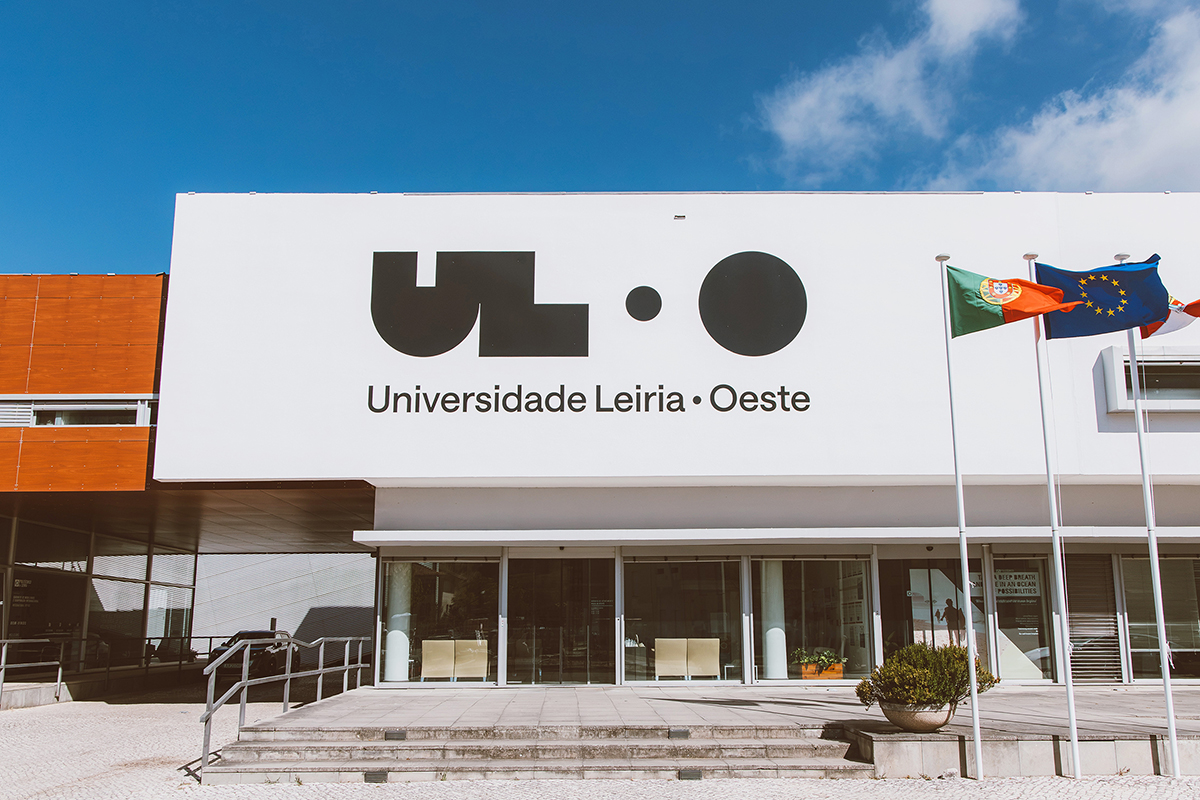
The University of Leiria and Oeste (ULO) has officially begun a new chapter in its history, following the legal transformation of the former Polytechnic University of Leiria (IPLeiria) into a university. The milestone reflects more than four decades of institutional growth and excellence, while opening new opportunities to strengthen education, research, innovation and regional development in Portugal and across Europe.
The new university was established under Decree-Law No. 135/2026, published in the Portuguese Official Gazette (Diário da República) on 9 July, following its approval by the Portuguese Council of Ministers and promulgation by the President of the Republic.
Under the new legal framework, the University of Leiria and Oeste succeeds the Polytechnic of Leiria in all its rights and responsibilities, ensuring continuity across its academic provision, research activities, staff and partnerships.
The University of Leiria and Oeste continues to play a central role in advancing the alliance’s vision of connected regional universities that create knowledge, foster innovation and deliver meaningful impact for students, communities and society across Europe.
As one of the founding and co-leading institutions of RUN-EU, this transformation marks a major milestone for the alliance, reinforcing its shared ambition to build innovative, future-oriented universities deeply connected to their regions while addressing European and global challenges.
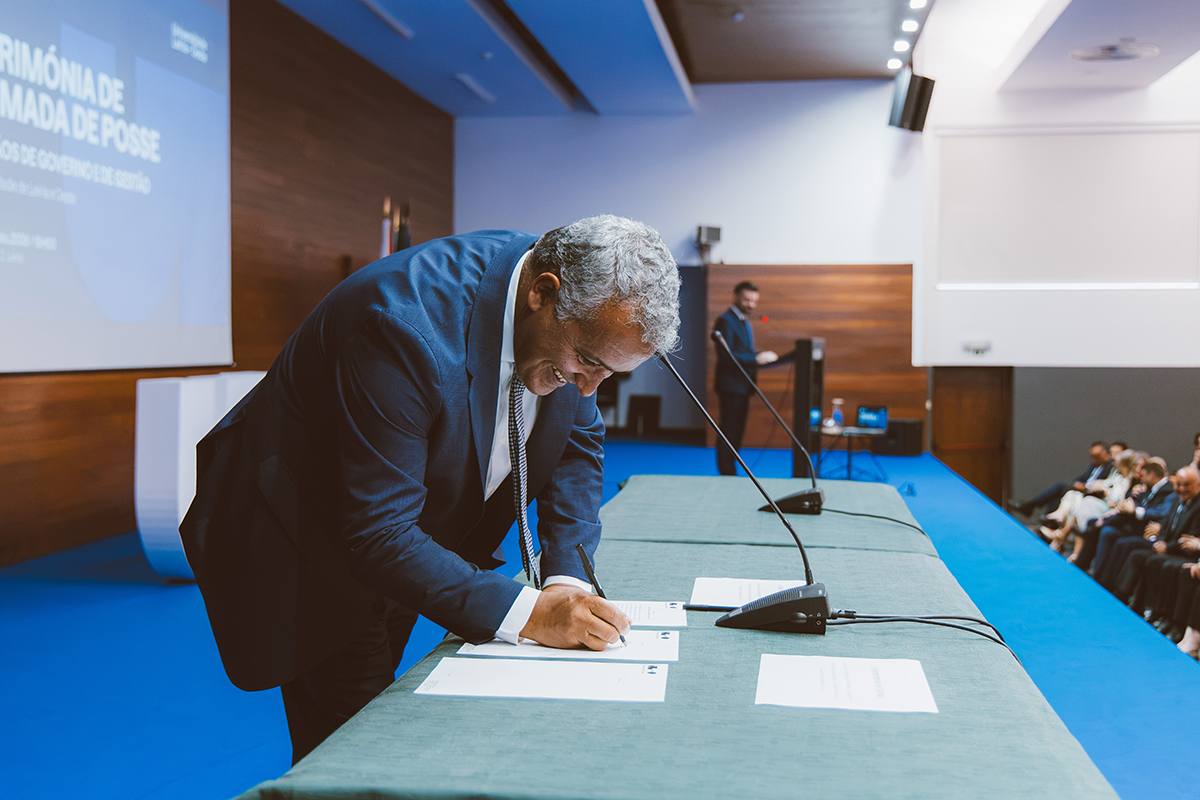
“This is a moment of enormous significance for our institution and for the region,” said Carlos Rabadão, the new Rector of ULO.
“The University of Leiria and Oeste is the result of more than four decades of growth and excellence and is founded with the mission of becoming a true driver of knowledge, innovation and sustainable development,” he then added.
Looking ahead, ULO has already launched an ambitious Transformation Agenda to shape the institution’s future through an open, participatory process. Presented in July, the initiative will engage more than 1,200 participants from academia, business, public institutions, civil society and regional organisations in defining the university’s long-term strategy.
Over the next six months, 21 multidisciplinary working groups will develop proposals across nine strategic areas, including academic provision, frontier research, innovation and knowledge transfer, internationalisation, regional impact, infrastructure and governance. The process will be supported by a Steering Committee bringing together around 100 national and international organisations, ensuring broad expertise and diverse perspectives throughout the university’s development.
A cornerstone of the new institutional model will be the creation of Knowledge and Innovation Communities (KICs), strengthening collaboration between education, research, innovation and regional development. Based in Leiria, Peniche and Caldas da Rainha, these communities will build on the university’s established strengths in areas including engineering, health, education, the blue economy, sustainable tourism, arts, design and the creative industries, while fostering interdisciplinary collaboration and stronger engagement with regional stakeholders.
The Transformation Agenda also outlines new opportunities for growth through additional KICs, alongside the creation of the ULO Polytechnic School and the ULO Leadership School, expanding lifelong learning opportunities and reinforcing the university’s contribution to regional skills development and leadership education.
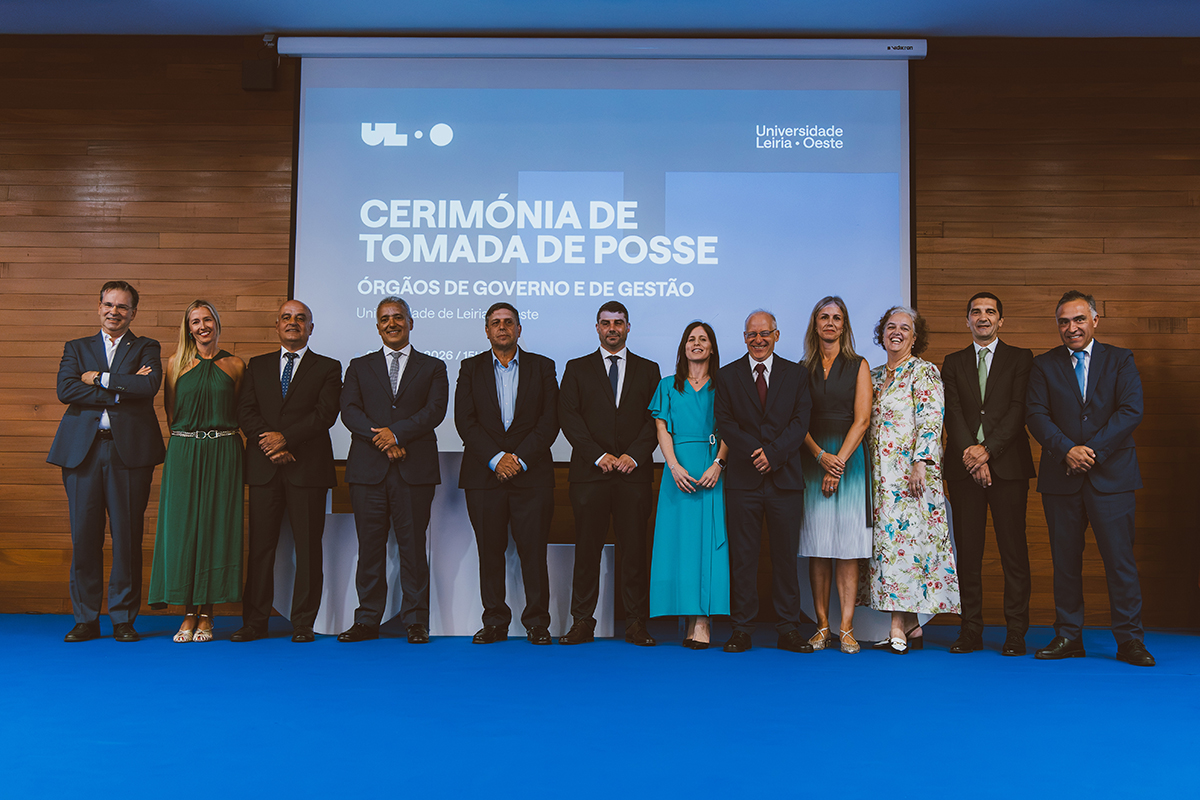
Between September and December, the university community and its partners will work together using the Strategic Thinking for Sustainability (ST4S) methodology to define Vision 2035, identify critical success factors, develop transformative missions and design strategic projects for the years ahead.
The process will culminate in the University of Leiria and Oeste Implementation Roadmap 2027–2030, to be presented in January 2027. The roadmap will provide the foundation for implementing the new university and its statutes, laying the groundwork for a transformation that will continue through 2030.